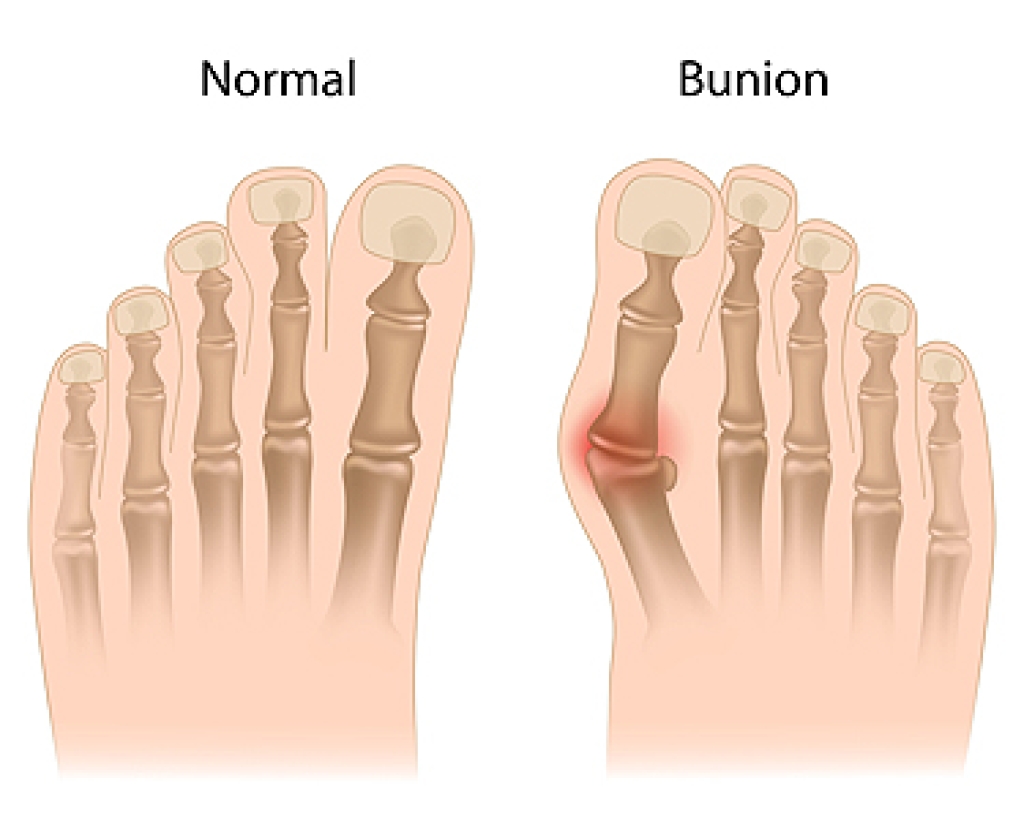
Bunions are structural deformities that affect the alignment of the big toe joint, often leading to discomfort and reduced mobility. This condition occurs when the first metatarsal bone shifts outward while the big toe angles inward, forming a noticeable bump. The imbalance in the foot structure places stress on surrounding tissues, which can lead to inflammation and pain. Bunions do not develop overnight. They form gradually as pressure builds on the joint. Understanding how bunions develop is essential for recognizing symptoms early and preventing further complications.
Common symptoms include aching pain around the base of the big toe, swelling, and visible enlargement of the joint. Many individuals report increased discomfort during activity or after long periods of standing. Wearing tight shoes can worsen symptoms, leading to redness and irritation. Some people experience stiffness in the toe joint, which limits flexibility and affects walking patterns. As the condition progresses, the toes may crowd together, creating additional pressure points. These symptoms can interfere with daily routines and reduce overall comfort if left untreated.
Risk factors for bunions include inherited foot mechanics, improper footwear, and repetitive stress on the feet. People with a family history of bunions are more likely to develop the condition due to a similar bone structure. Wearing shoes that compress the toes, such as narrow or high-heeled styles, increases the likelihood of joint misalignment. Activities that involve constant pressure on the forefoot can also contribute. In some cases, underlying conditions like inflammatory joint disease may accelerate bunion formation. Identifying these risk factors allows for preventive strategies that support foot alignment and function.
The causes of bunions center on mechanical stress and structural imbalance within the foot. Over time, uneven weight distribution forces the joint out of place, resulting in the characteristic bump. Managing bunions involves reducing pressure, improving foot support, and maintaining proper alignment. Custom orthotics, wider shoes, and activity modification can help alleviate symptoms and slow progression. If you have bunions and notice worsening pain or difficulty with footwear, it is suggested you consult a podiatrist to receive a thorough evaluation and personalized care plan.
If you are suffering from bunions, contact the foot specialists of Academy Foot and Ankle Specialists. Our doctors can provide the care you need to keep you pain-free and on your feet.
What Is a Bunion?
A bunion is formed of swollen tissue or an enlargement of boney growth, usually located at the base joint of the toe that connects to the foot. The swelling occurs due to the bones in the big toe shifting inward, which impacts the other toes of the foot. This causes the area around the base of the big toe to become inflamed and painful.
Why Do Bunions Form?
Genetics – Susceptibility to bunions are often hereditary
Stress on the feet – Poorly fitted and uncomfortable footwear that places stress on feet, such as heels, can worsen existing bunions
How Are Bunions Diagnosed?
Podiatrists often perform two tests – blood tests and x-rays – when trying to diagnose bunions, especially in the early stages of development. Blood tests help determine if the foot pain is being caused by something else, such as arthritis, while x-rays provide a clear picture of your bone structure to your provider.
How Are Bunions Treated?
- Refrain from wearing heels or similar shoes that cause discomfort
- Select wider shoes that can provide more comfort and reduce pain
- Anti-inflammatory and pain management drugs
- Orthotics or foot inserts
- Surgery
If you have any questions, please feel free to contact our offices located in Southlake, Keller (Fort Worth), Hurst, North Richland Hills, Flower Mound, Argyle, and Denton, TX. . We offer the newest diagnostic and treatment technologies for all your foot care needs.
